
Ancient Hawaii was a place of fierce competition and risky gambling long before the first casino was ever built. This dives into how the strategic mastery of games like Kōnane laid the cultural foundation for the modern seeking of risk and reward that we see in Hawaii today.
When most people picture ancient Hawaii, they imagine a laid-back paradise of surfing. Maybe even taro farming or hula. While that isn’t entirely wrong, it misses a massive chunk of the picture. The pre-contact Hawaiian society was intensely competitive. They were athletes, warriors and, perhaps most surprisingly to the uninitiated, incredibly serious gamers.
We aren’t talking about “Candy Land” level gaming here. We are talking about complex strategy, psychological warfare and wagers that would make a modern high-roller sweat their socks off. The spirit of the game (that electric tension between risk and reward) is baked into the very lava rock of the islands. It turns out, the jump from moving pebbles on a stone board to playing a hand of digital blackjack isn’t as big as one might think.
The “Hawaiian Checkers” That Was Anything But Simple
The undisputed king of Hawaiian board games was Kōnane. To the untrained eye, it looks a bit like Checkers or Go. You have a stone slab (the papa kōnane) with rows of indentations, and you have playing pieces made of black basalt and white coral.
But calling Kōnane “checkers” is like calling a fighter jet a “plane.” It was a game of deep, brutal strategy used by chiefs (Aliʻi) and commoners alike to settle disputes, sharpen their minds and pass the time. The goal wasn’t just to capture pieces; it was to maneuver your opponent into a position where they had zero legal moves left. It was about suffocation, foresight and trapping the other guy before he even realized he was caught.
This intellectual combat required the kind of mental gymnastics that modern players would recognize immediately. When a tactical player today performs a jackpot city login to sit down at a virtual poker table, or play hundreds of different games, they are exercising the same neural pathways. They are looking for patterns, anticipating the opponent’s next blunder and trying to stay three steps ahead. The medium has changed from coral stones to pixels, but the need for sharp wits remains exactly the same.
The Art of the Bluff: Pūhenehene
If Kōnane was the game for the chess club, Pūhenehene was the game for the poker pros. This was a game of pure deception, observation and psychological will and grit.
Here is how it went down: A long piece of tapa cloth was placed between two teams. One person would take a small stone or piece of wood (the noʻa) and slide their hands under the cloth, moving it back and forth, taunting the other side and eventually leaving the stone under one of the folds. The opposing team then had to guess where the stone was hidden.
It sounds simple, right? Wrong. It was theater. The hider would use body language, trash talk and false signals to throw the guessers off. The guessers had to read the hider’s face, looking for that tiny micro-expression that gave away the location. It was the ancient equivalent of staring down an opponent across the felt, trying to figure out if they are holding the nuts or busting a flush draw.
The cultural importance of these games is documented by the National Park Service, which notes that these weren’t just idle pastimes. In fact, they were essential parts of the Makahiki festival season, dedicated to Lono, the god of peace and agriculture.
High Risk in Paradise
Now, let’s talk about the action. Ancient Hawaiians didn’t just play for “bragging rights.” They were serious bettors. It wasn’t uncommon for spectators and players to wager heavy possessions on the outcome of a Maika (stone rolling) match or a Pūhenehene tournament.
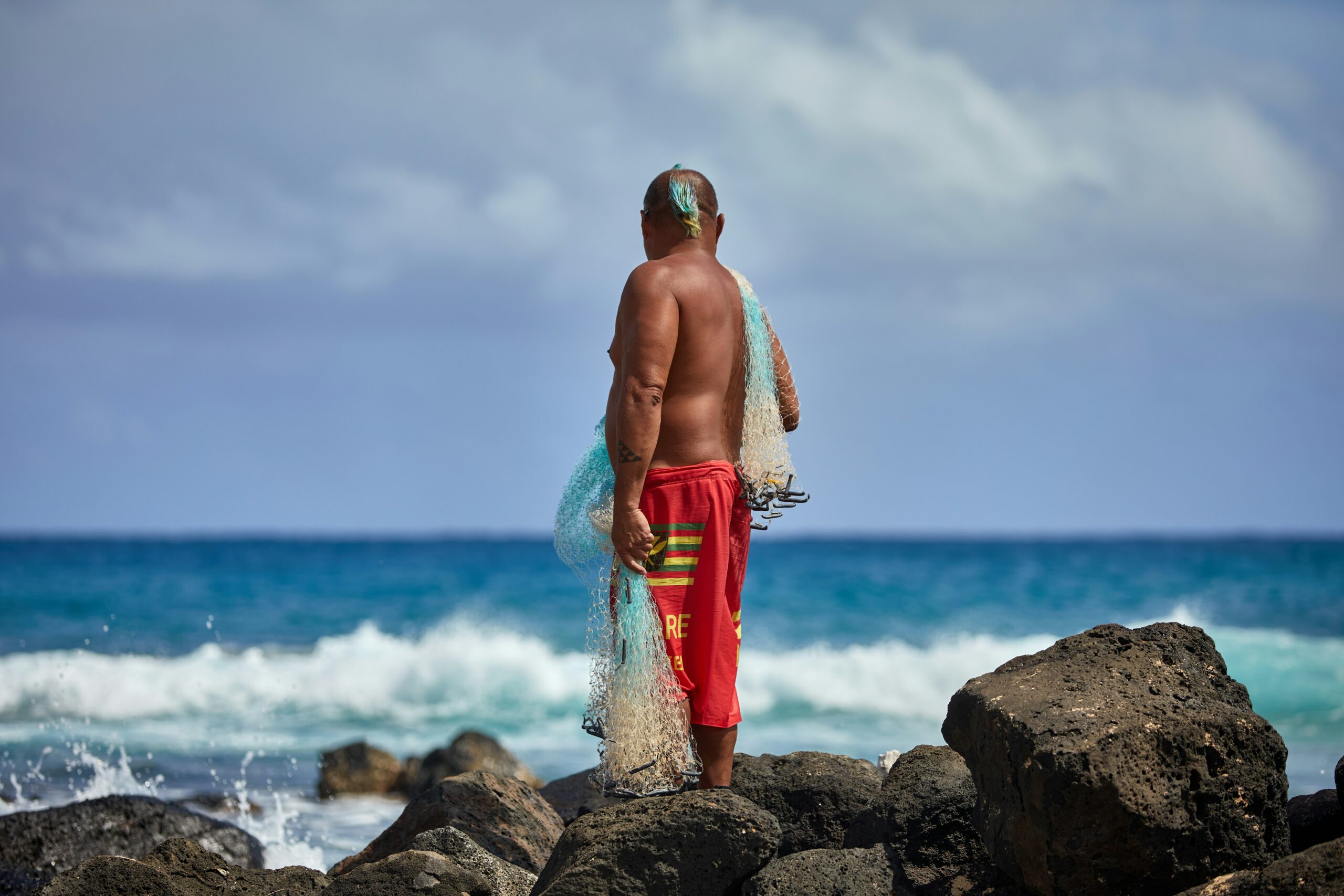
We are talking about betting fishing nets, canoes, feathered capes and sometimes even their own freedom or land. The concept of putting something valuable on the line to back your skill or your gut feeling is not a modern invention imported from Vegas. It is a human universal that flourished in the Pacific centuries ago.
When people talk about the “thrill” of the game, they are describing an ancient adrenaline spike. That rush of watching the Maika stone wobble toward the goal is the exact same rush a modern player feels when the roulette ball starts to slow down. It is that moment where the universe takes the wheel.
Keeping the Spirit Alive
There is something poetic about the fact that games of chance and skill have survived the test of time. Technologies change, laws change and cultures evolve over time, but the fundamental human desire to test one’s luck and skill against the odds remains a constant. A foundational pillar of any society.
So whether it’s pushing around lava rocks or swiping a finger across a screen, the core of the game stays the same. It’s the heartbeat of camraderie and hope of good outcomes. The next time you see someone swiping (or spinning) on their phone in public, just remember: they are just carrying on a Hawaiian tradition that has been playing out in these islands for a thousand years… just in a modernized format.

Leave a Reply